


Telehealth went from novelty to normal in Australia within a few short years. What began as a stop-gap during lockdowns is now a permanent part of the healthcare landscape, with millions of consultations delivered by video and phone every year. The interesting question is not whether telehealth is here to stay. It is why so many people, given the choice, keep choosing it.
The drivers are practical, not technological
Nobody chooses a video consultation because they love video calls. They choose it because the alternative carries costs that rarely get counted:
- Distance. Outside the capital cities, the nearest clinician with capacity can be a long drive away. For regional and rural Australians, a forty-minute appointment can swallow an entire day.
- Waitlists. Many practices have closed their books or run waits that stretch for weeks. People with chronic conditions, who need regular reviews rather than one-off visits, feel this most.
- Mobility and energy. For someone living with persistent pain, fatigue, or anxiety, the trip itself is a barrier: the drive, the parking, the waiting room. The condition that needs care is often the very thing that makes attending care hard.
- Privacy. Some people prefer not to run into neighbours in a waiting room. A consultation from home is discreet in a way a shopfront can never be.
- Continuity. Telehealth makes it easier to keep seeing the same clinician after you move suburbs or towns, instead of starting the whole story again with someone new.
What telehealth does well
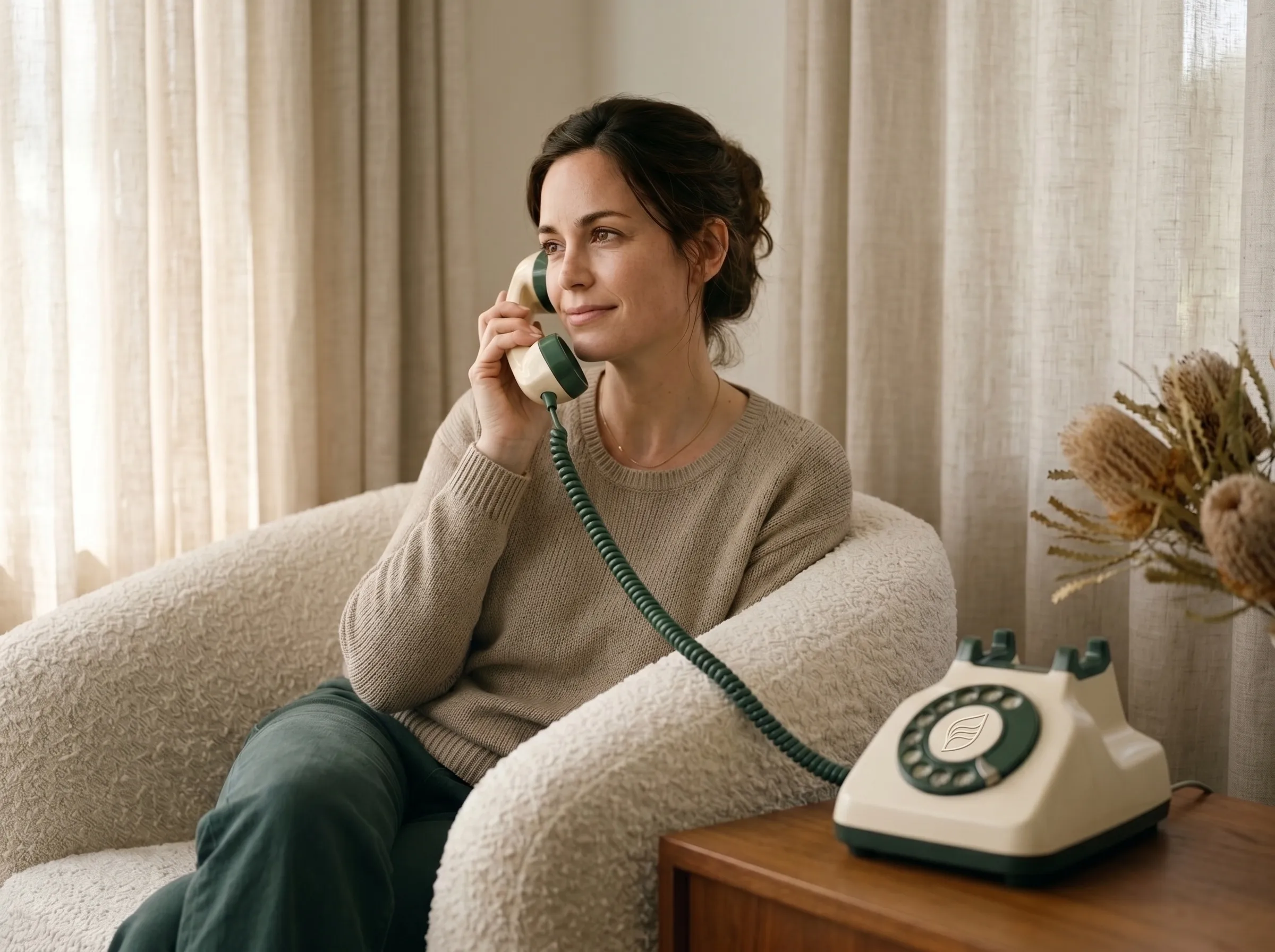
For consultation-based care, the evidence and the lived experience line up: history-taking, reviewing progress, discussing options, and planning care work well over video. Chronic condition reviews are a particularly natural fit, because the clinician’s main instruments are questions, listening, and records rather than hands-on examination.
Telehealth also changes the texture of the appointment. You are in your own chair, with your medication list in the drawer next to you and your notes on the table. Many people find they ask more questions from their kitchen than they ever did in a clinic room.
Where in-person care still wins
Honesty matters here: telehealth is not the right tool for everything. Physical examinations, procedures, immunisations, and emergencies belong in person. A clinician who cannot safely assess something over video should say so and direct you to in-person care. At LeafLine Clinic, our Clinicians do exactly that, and our screening process is designed to identify people we are not suited to help before any appointment is booked.
What to look for in a telehealth clinic
The convenience is table stakes. The things worth comparing are the same things that matter in any clinic:
- Registration. Consultations should be conducted by AHPRA-registered practitioners, and the clinic should say so plainly.
- Structured screening. A clinic that will see anyone instantly is not screening anyone properly.
- Transparent fees. Every fee should be published before you book, with the cancellation policy in plain sight.
- Follow-up. Look for a clinic that builds reviews into its model rather than treating each appointment as a transaction.
LeafLine Clinic is an Australian telehealth clinic built on those four principles: AHPRA-registered Clinicians, structured eligibility screening, published fees, and ongoing reviews. If you want to understand how it works before going anywhere near a booking, our patient-support team runs free ten-minute info calls. No clinical advice, no obligation, just answers.

This article is general information only and does not replace personalised medical advice. In an emergency, call 000.
